Varicose veins are more than a cosmetic concern—they can affect your circulation, energy, and overall well-being. At AVLC, we combine compassionate care with modern, minimally invasive treatments to help patients feel confident and comfortable in their own skin. From understanding the causes to exploring treatment options, this guide covers everything you need to know about varicose veins. Book a consultation with AVLC today and take the first step toward healthier legs and a more vibrant lifestyle.
Varicose veins are often dismissed as merely a cosmetic issue, but their impact goes far beyond appearance. Swollen, twisted veins can cause discomfort, fatigue, and even more serious complications if left untreated. Understanding how varicose veins develop and what treatments are available can empower you to make informed choices for your health and confidence. We help patients navigate these concerns with expert care and effective solutions.
What Causes Varicose Veins?
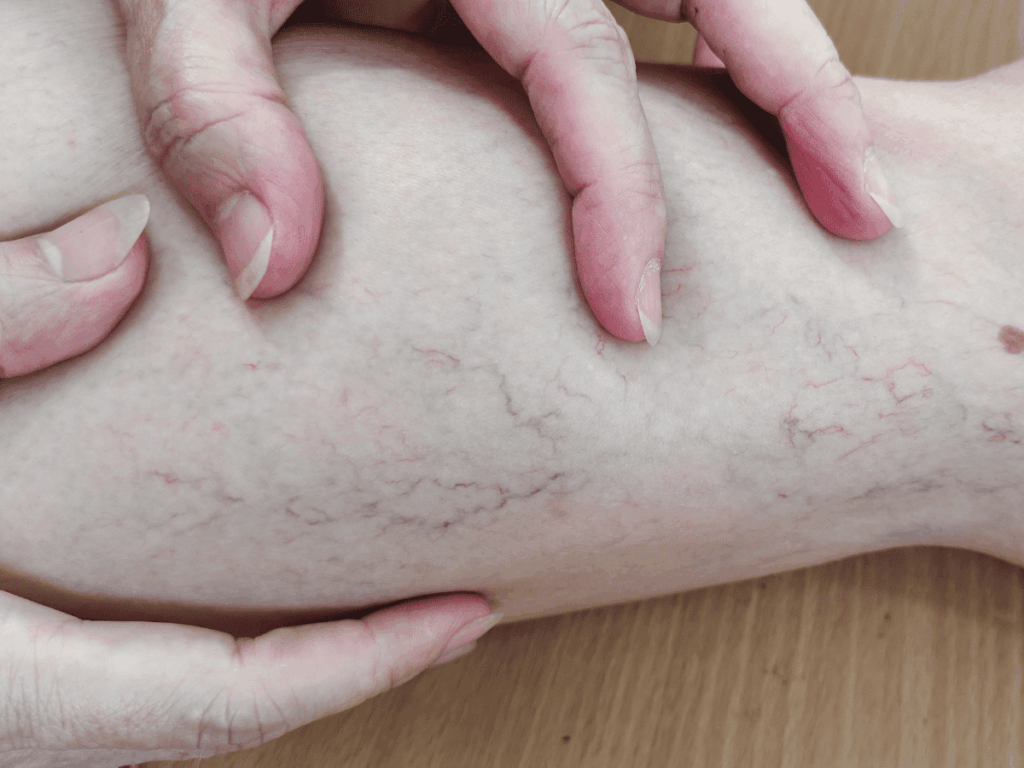
Varicose veins occur when the valves inside your veins weaken or become damaged, allowing blood to flow backward and pool. This pressure causes veins to enlarge and twist, often appearing blue or purple under the skin. Several factors contribute to their development, including:
- Genetics: Family history increases your risk.
- Age: Veins naturally weaken over time.
- Hormonal changes: Pregnancy, menopause, and birth control can affect vein health.
- Lifestyle: Prolonged standing or sitting and lack of physical activity can worsen vein issues.
Additional Factors and Risk Considerations
Other elements, like previous leg injuries, obesity, and chronic constipation, can increase pressure in the veins, leading to varicosities. Even tight clothing or high-heeled shoes can affect circulation over time. Being aware of these risks helps patients make lifestyle adjustments that complement treatment. Early recognition allows for timely intervention, often preventing more severe complications and making treatments more effective.
Symptoms and Health Considerations
While varicose veins are visible and can affect self-esteem, they can also cause physical symptoms that interfere with daily life. Common signs include:
- Aching or heavy legs
- Swelling, especially in the ankles
- Itching around affected veins
- Muscle cramps, particularly at night
- Skin discoloration or ulcers in severe cases
It’s important to address these symptoms early. Untreated varicose veins can lead to more serious issues such as blood clots, skin infections, or chronic venous insufficiency. We emphasize proactive care, helping patients prevent complications before they escalate. In addition, varicose veins can impact mobility and overall energy levels, making everyday activities more challenging. Recognizing these signs ensures timely intervention and improved long-term health outcomes.
Treatment Options
We offer a range of minimally invasive treatments designed to reduce discomfort and improve appearance. Treatment choice depends on vein size, location, and your overall health. Options include:
- Endovenous Laser Therapy (EVLT): Uses laser energy to close affected veins, redirecting blood flow to healthy veins.
- Sclerotherapy: Involves injecting a solution into smaller veins, causing them to collapse and fade.
- Radiofrequency Ablation: Similar to EVLT, this method uses radiofrequency energy to close problematic veins.
- Phlebectomy: A surgical option to remove larger veins through tiny incisions with minimal scarring.
Each treatment is performed with precision and care, ensuring patients experience minimal downtime while achieving natural-looking results. Our team tailors treatments to meet individual needs, focusing on both function and aesthetics. Patients often notice immediate improvement in comfort and a gradual enhancement in appearance, which can boost confidence and daily mobility.
Lifestyle Habits That Support Vein Health
Even with treatment, maintaining healthy veins requires lifestyle adjustments. Patients often see significant improvements by incorporating these habits:
- Regular exercise: Walking, swimming, and cycling help blood circulation.
- Weight management: Reduces pressure on veins in the legs.
- Leg elevation: Raising legs above heart level relieves swelling.
- Compression stockings: Provide external support to improve blood flow.
- Balanced diet: High in fiber and low in salt to reduce swelling and maintain vascular health.
Additional Tips for Daily Vein Support
Hydration also plays an important role in maintaining healthy circulation. Gentle leg stretches throughout the day can reduce pooling of blood and discomfort. Incorporating a mix of aerobic and strength training exercises helps support vein walls and valves, complementing any treatments. Simple changes like avoiding prolonged sitting, alternating between sitting and standing, and wearing supportive footwear can make a noticeable difference in comfort and circulation. These daily habits empower patients to actively participate in their vein health journey.
When to See a Specialist
Not every varicose vein requires medical intervention, but certain signs indicate it’s time to consult a professional:
- Persistent pain or swelling that interferes with daily activities
- Rapid changes in the appearance of veins
- Skin ulcers or infections near the veins
- History of blood clots or other vascular conditions
Early intervention often leads to better results and reduces the risk of complications. Our specialists assess each case individually to recommend the most effective treatment plan. Even patients with mild symptoms can benefit from a consultation, gaining personalized advice and lifestyle strategies to prevent worsening of the condition.
AVLC Can Help You Take Control of Your Vein Health
If varicose veins are affecting your comfort, confidence, or overall health, AVLC is here to help. Our compassionate team provides advanced, minimally invasive treatments tailored to your needs. By combining expertise with a personalized approach, we help patients restore healthy circulation, reduce discomfort, and enjoy the look and feel of smooth, vibrant legs. Schedule a consultation with AVLC today and take the first step toward better vein health and a renewed sense of confidence. With the right treatment and lifestyle guidance, you can regain mobility, prevent complications, and feel proud of your legs again.
FAQ
- Are varicose veins dangerous?
Most varicose veins are not immediately dangerous, but they can cause discomfort and lead to complications like blood clots if untreated. Consulting a specialist ensures proper management. - Can varicose veins be prevented?
While genetics play a role, regular exercise, maintaining a healthy weight, and avoiding prolonged sitting or standing can reduce risk. Lifestyle habits can support vein health over time. - What is the recovery time for varicose vein treatments?
Recovery varies by procedure, but most minimally invasive treatments involve minimal downtime and allow patients to resume daily activities quickly. We provide detailed aftercare instructions for optimal healing. - Will varicose veins come back after treatment?
While treatment removes existing veins, new varicose veins can develop over time. Maintaining healthy habits and regular checkups can reduce recurrence. - Are varicose vein treatments painful?
Most modern treatments are minimally invasive with little discomfort. We prioritize patient comfort, using local anesthesia and gentle techniques to ensure a smooth experience.