
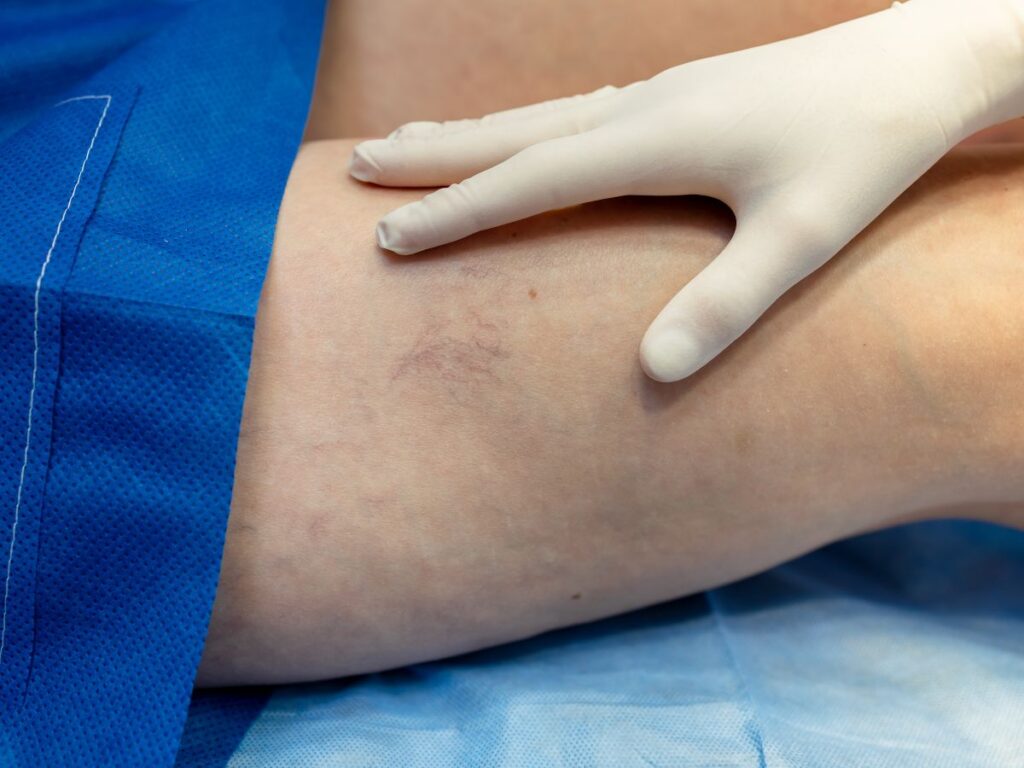
Spider veins don’t discriminate by gender, while they’re often associated with women, men also develop them and seek treatment. Spider veins in men and women can be caused by genetics, aging, lifestyle, and circulation issues, not just hormones or pregnancy. Understanding the risk factors and treatment options helps you make a confident decision about care, whether your goals are cosmetic or comfort‑focused. At AVLC, personalized evaluation and advanced minimally invasive vein treatments can help both men and women feel their best and regain confidence in their legs.
You might think spider veins are “only a woman thing,” but that’s a myth many people discover only after noticing them themselves. These tiny visible vessels appear near the skin’s surface and can show up on anyone’s legs or face. Even though women are more frequently affected, men can and do develop spider veins, and many seek expert care when they become noticeable or bothersome. Understanding spider veins in men and women can help you know what’s normal and what options you have to improve their appearance and comfort.
What Exactly Are Spider Veins?
Spider veins (or telangiectasias) are small clusters of damaged capillaries visible just below the skin that look like red, blue, or purple webs or branches. They’re generally harmless but can be a cosmetic concern and occasionally cause mild symptoms like burning, itching, or discomfort, especially after standing for long periods.
Unlike varicose veins—which are larger, bulging veins that may cause aching or heaviness—spider veins are typically superficial and do not bulge. Their name comes from their distinctive appearance rather than any association with spiders.
Because they don’t usually cause serious medical problems, many people first consider treatment for the way they look rather than discomfort. But in some cases, treating spider veins can improve overall leg comfort and self‑confidence.
Why People Still Think Spider Veins Are Only for Women
It’s true that statistics have historically shown women get spider veins more often than men, largely due to hormonal influences such as pregnancy, birth control, and menopause. These hormonal factors can weaken vein walls and change circulation, making women more susceptible to visible veins.
But while hormones play a role, they’re just one piece of the puzzle. Spider veins also develop from factors that affect everyone, including:
- Genetics — a family history of spider or varicose veins increases risk.
- Ageing — as vein valves weaken over time, blood can pool more easily.
- Prolonged standing or sitting — jobs with long hours on your feet or at a desk can increase pressure in leg veins.
- Obesity or sedentary lifestyle — extra strain on circulation can contribute to spider veins.
These factors affect men and women alike, which is why spider veins in men and women are both common. In fact, some research suggests more than half of men may develop spider veins—but many don’t seek treatment because they may not see them as a cosmetic issue or simply overlook them.
How Spider Veins Can Affect You
For many people, spider veins are a cosmetic concern that causes self‑consciousness about how their legs look. They might appear more noticeable in warmer weather when legs are exposed or with certain clothing styles. But while they don’t always cause symptoms, some people do experience:
- A mild burning or itching sensation
- Leg fatigue or heaviness after long periods of standing
- Aesthetic concerns that affect confidence
These symptoms often worsen with age or with prolonged inactivity and can be eased with appropriate treatment and lifestyle adjustments.
How AVLC Approaches Spider Vein Treatment
At AVLC, care for spider veins in men and women is tailored to individual needs. Because spider veins can develop for a variety of reasons, the first step is a thorough consultation to understand your unique goals, health history, and vein patterns.
Personalized Evaluation
Before recommending any treatment, our providers conduct a detailed evaluation. This ensures that:
- Spider veins aren’t a sign of deeper circulatory concerns
- You understand what results may be realistic
- The best treatment options are chosen based on your anatomy and goals
Because spider veins can appear on the legs or face, the approach may vary slightly depending on location and severity.
Minimally Invasive Treatment Options
Two of the most common and effective approaches for spider veins include:
- Sclerotherapy — a solution is injected into the tiny veins to collapse and fade them over time. This is a widely used and reliable method for many people.
- Laser therapy — targeted light energy gently breaks down visible veins without injections, making it ideal for certain areas.
Both treatments are minimally invasive, often performed in a comfortable outpatient setting, and can be customized to fit your needs.
Why Expertise Matters
Treating spider veins requires medical expertise. At AVLC:
- Providers have extensive experience diagnosing and treating a full range of vein conditions.
- Evaluation ensures that underlying venous insufficiency—if present—is addressed appropriately before cosmetic treatment.
- Comfort, safety, and natural‑looking results are priorities.
This thoughtful approach helps men and women feel confident about their care choices and outcomes.
Lifestyle Changes That Help
While medical treatments can dramatically reduce the appearance of spider veins, lifestyle habits also play a role in vein health. Both men and women can benefit from:
- Staying active with walking or low‑impact exercise to promote circulation.
- Avoiding long periods of sitting or standing without breaks.
- Maintaining a healthy weight to reduce pressure on leg veins.
- Wearing compression stockings if advised by your provider.
These habits help support circulation and may slow the development of new spider veins over time.
Confidence and Comfort for Everyone
Seeing visible spider veins can affect self‑esteem and how you feel about your body. But understanding that spider veins in men and women are both common helps remove stigma and encourages people of all genders to explore treatment confidently. Our compassionate care is designed to help you feel more comfortable in your skin—whether your goals are cosmetic, comfort‑oriented, or both.
Rediscover Smooth, Clear Skin at AVLC
If spider veins have been on your mind—whether you’ve been told they’re “just a woman thing” or you’re tired of hiding your legs—AVLC is here to help. Our experienced providers offer personalized evaluations and advanced vein treatments that can reduce the appearance of spider veins for both men and women. With minimally invasive options like sclerotherapy and laser therapy tailored to your needs, you can feel confident and comfortable in your skin again. Schedule a consultation to explore the best path toward clearer, healthier‑looking legs.
Frequently Asked Questions
Can men get spider veins too?
Yes, men can and do develop spider veins even though they’re more commonly noticed in women. Hormones contribute, but age, genetics, circulation, and lifestyle factors affect both genders.
Do spider veins pose a health risk?
Spider veins are usually harmless and often treated for cosmetic reasons. Rarely, they may cause mild discomfort, but they’re not typically a serious medical issue.
What’s the difference between spider veins and varicose veins?
Spider veins are small, superficial clusters of veins visible on the skin’s surface, while varicose veins are larger, bulging veins that can cause more significant symptoms.
Can lifestyle changes prevent spider veins?
Healthy habits—like exercise, moving regularly, and maintaining a healthy weight—can support circulation and reduce pressure on veins. However, genetics and aging still play a major role.
Is treatment painful?
Most spider vein treatments like sclerotherapy and laser therapy are minimally invasive with only mild discomfort. Providers work to ensure your comfort throughout the process.