
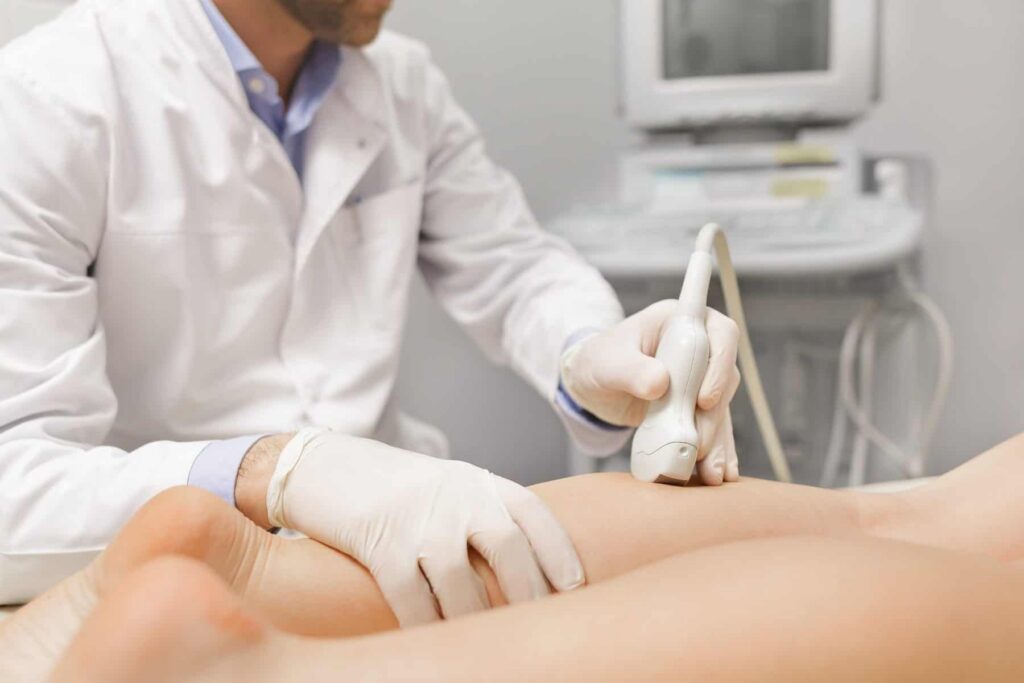
Sclerotherapy success stories show that spider veins and small varicose veins don’t have to be a permanent part of your life. Many patients come to AVLC feeling self-conscious, uncomfortable, or discouraged after trying creams, compression stockings, or at-home remedies with little lasting improvement. What they often discover is that a tailored sclerotherapy plan can dramatically reduce visible veins, relieve symptoms like aching or heaviness, and restore confidence in their legs. While the results can be life-changing, the best outcomes come from understanding the treatment process, realistic expectations, and the importance of follow-up care. If you’re curious whether sclerotherapy is right for you, we can help you explore your options and create a plan designed around your goals.
_________________________________________________________________________________________
Leg veins can feel like a constant reminder that your body is changing, aging, or simply not “as it used to be.” When spider veins or small varicose veins appear, they’re often dismissed as cosmetic—until they start to cause discomfort, swelling, or embarrassment. The good news is that sclerotherapy has helped countless patients regain comfort and confidence, but many wish they had known a few key things before starting treatment.
Sclerotherapy success stories aren’t just about beautiful results—they’re about realistic expectations, smart preparation, and a plan that fits each patient’s unique vein pattern and lifestyle. Let’s look at what patients commonly wish they knew before their treatment, and why those insights matter for long-term success.
What Patients Often Wish They Knew Before Sclerotherapy
When patients look back on their sclerotherapy journey, the most common theme isn’t just “I’m glad I did it”—it’s “I wish I’d known this sooner.” Knowing what to expect can reduce anxiety, improve recovery, and enhance results.
One of the biggest surprises for many patients is that sclerotherapy is not a one-time fix. While some veins respond quickly, others need multiple sessions to achieve the desired improvement. This is because each vein is unique, and the body’s response varies based on vein size, depth, and circulation patterns.
“I expected one session and done — but I’m so glad I stuck with the plan. My legs look better every time.”
Another common wish is that they understand how important follow-up care is. Compression, activity, and patience play a major role in how well the veins collapse and how quickly the body clears the treated areas. Patients who commit to the full treatment plan tend to see better outcomes and experience longer-lasting results.
“I didn’t realize the compression stockings actually made a difference. I wish I’d worn them sooner.”
Why Sclerotherapy Works — and What Makes It Successful
Sclerotherapy is a minimally invasive treatment that targets problematic veins by injecting a special solution into the vessel. The solution irritates the vein lining, causing it to collapse and gradually fade as the body reroutes blood flow through healthier veins.
The success of sclerotherapy depends on several factors:
- Vein size and depth: Smaller, superficial veins tend to respond faster, while deeper or larger veins may require additional sessions or alternative treatments.
- Vascular health: Veins that are part of a larger circulation issue may need a comprehensive evaluation to prevent recurrence.
- Patient adherence: Following post-treatment instructions improves outcomes, including compression and activity recommendations.
- Treatment planning: A skilled provider creates a roadmap that considers your unique vein pattern, symptoms, and goals.
At AVLC, sclerotherapy is approached as both a science and an art. The team evaluates each patient’s veins and builds a plan that balances effectiveness with safety and comfort.
Real Results: What Patients Notice After Treatment
The best sclerotherapy success stories often share similar milestones: improved appearance, reduced discomfort, and renewed confidence. But the timeline and sensations can vary.
In the days after treatment, it’s common to notice:
- Mild bruising or redness
- Temporary swelling
- A feeling of tightness or mild soreness
- Small, darkened lines where the veins were treated
These effects are normal and usually fade within a few weeks. Over the following months, the body gradually clears the treated veins, and the area continues to improve.
Many patients report a shift not just in appearance, but in how they feel day-to-day. Some notice less heaviness, fewer cramps, and greater comfort when standing or walking. Others simply feel more confident wearing shorts, skirts, or swimsuits without worrying about visible veins.
“I finally feel like I can wear what I want again. That confidence was worth everything.”
The “Before” That Matters: How to Prepare for Sclerotherapy
Preparation is one of the most overlooked parts of a successful sclerotherapy journey. Patients who prepare thoughtfully often experience smoother treatments and better results.
Before treatment, patients are typically advised to:
- Avoid intense sun exposure, which can increase bruising and pigmentation.
- Stay hydrated and maintain a healthy lifestyle.
- Avoid certain medications or supplements that can increase bruising, if recommended by the provider.
- Wear comfortable clothing to the appointment.
- Plan for compression stockings or wraps afterward.
Patients who arrive informed and prepared often feel more confident and experience a smoother recovery. It’s also important to have realistic expectations about what sclerotherapy can accomplish. While many veins respond beautifully, some may only fade partially, and some new veins can develop over time.
“I wish I had known it wasn’t instant. But the results were worth the wait.”
What Patients Wish They Knew About Results and Expectations
One of the most important insights from sclerotherapy success stories is that patience matters. Veins don’t disappear instantly, and results evolve over time. Some patients see noticeable improvement within a few weeks, while others may take several months to reach their final outcome.
It’s also important to understand that sclerotherapy is a treatment, not a guarantee against future vein development. Genetics, hormones, weight fluctuations, and lifestyle factors can influence whether new veins appear over time.
That said, sclerotherapy remains one of the most effective ways to reduce visible spider veins and small varicose veins. Many patients experience long-lasting results and a significant improvement in both appearance and comfort when the treatment is performed with precision and followed by proper care.
The Importance of Choosing a Skilled Provider
Sclerotherapy success stories often highlight one key factor: the quality of the provider. A skilled clinician not only performs injections with precision, but also creates a treatment plan that aligns with your goals and vein anatomy.
A comprehensive vein evaluation is a crucial step. In many cases, visible spider veins are a sign of deeper vein issues, and treating only the surface veins may not address the root cause. A provider who evaluates circulation, vein health, and overall vascular function can recommend the most effective treatment path.
At AVLC, the focus is on understanding the whole picture—both the visible veins and the underlying circulation patterns. This approach helps reduce the likelihood of recurrence and supports better long-term results.
“I felt heard and understood. The plan made sense, and the results proved it.”
Why Follow-Up Care Makes a Big Difference
Many patients wish they had realized how important follow-up care is for sclerotherapy success. Post-treatment steps are designed to support vein closure and help the body process treated vessels.
Common follow-up steps include:
- Wearing compression stockings for the recommended period
- Walking regularly to support circulation
- Avoiding strenuous exercise for a short period
- Keeping the treatment area protected from sun exposure
- Returning for scheduled follow-up visits to assess progress
Patients who complete their follow-up care often report smoother recovery, better results, and greater satisfaction with their final outcome.
What Patients Wish They Knew About Pain and Comfort
Another common surprise is how manageable sclerotherapy is for most patients. While everyone’s pain tolerance differs, most people describe the sensation as mild and brief. The injections are small, and the procedure is typically completed in a short visit.
Some patients may experience mild discomfort or stinging during injection, but it usually fades quickly. After treatment, mild soreness or tightness is common and typically resolves within a few days.
Understanding what to expect can reduce anxiety and help patients approach the treatment with confidence. For many, the temporary discomfort is far outweighed by the long-term improvement in appearance and comfort.
AVLC’s Sclerotherapy Success Stories: Real Patients, Real Confidence
We celebrate every sclerotherapy success story as a win for comfort, confidence, and long-term vein health. If you’ve been living with visible veins or leg discomfort and want to understand your options, our team is here to help. We provide thorough evaluations, personalized treatment plans, and compassionate support throughout the process. Whether you’re seeking cosmetic improvement or relief from symptoms, AVLC offers expert care designed to meet your goals. Schedule a consultation to learn if sclerotherapy is right for you and take the first step toward smoother, more comfortable legs.
Frequently Asked Questions
What is sclerotherapy, and how does it work?
Sclerotherapy is a minimally invasive treatment that uses injections to collapse problematic veins, causing them to fade over time. The body naturally clears the treated veins, rerouting blood through healthier vessels.
How many sclerotherapy sessions do most patients need?
Many patients see significant improvement after 1–3 sessions, but some may require additional treatments depending on vein size and severity. A personalized plan ensures the best outcome.
Is sclerotherapy painful?
Most patients experience only mild, brief discomfort during injections, and any soreness afterward typically resolves within a few days. The procedure is generally well-tolerated and quick.
How soon will I see results after sclerotherapy?
Some improvement can be visible within a few weeks, but final results may take several months as the body clears treated veins. Patience and follow-up care support the best outcome.
Can spider veins come back after sclerotherapy?
Sclerotherapy treats existing veins, but new veins can develop over time due to genetics, hormones, or lifestyle factors. Follow-up care and monitoring can help maintain results.