
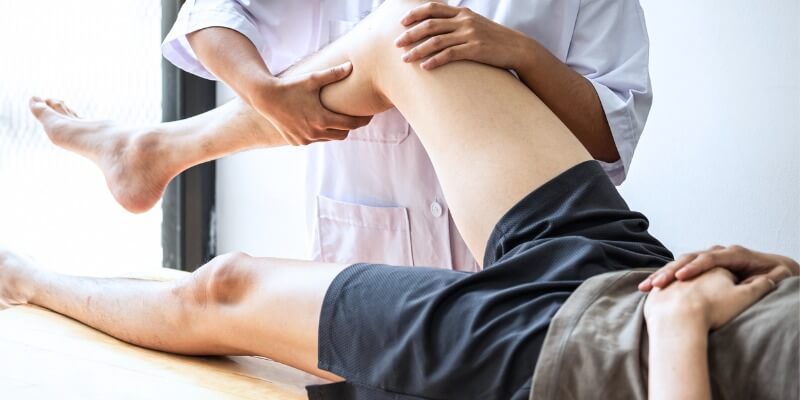
Finding leg pain relief can feel impossible when you’ve tried rest, medications, and therapies without lasting results. Many people live with nagging discomfort that limits mobility and quality of life, but emerging insights into underlying causes and targeted treatments are changing outcomes. At AVLC, we help individuals uncover the real reasons behind their leg pain and guide them toward effective, personalized solutions that fit their lifestyle. Whether your pain stems from vascular issues, nerve irritation, muscle imbalances, or circulation problems, there are options that can finally make a difference. Learn how you can feel better and regain confidence in each step you take. Contact us to explore options tailored to your needs and start your journey toward lasting relief.
_________________________________________________________________________________________
Leg pain can be more than a nuisance—it can sideline your favorite activities, affect your sleep, and make daily tasks feel harder than they should be. If you’ve tried things like over-the-counter pain relievers, basic stretching routines, or even physical therapy with limited success, you’re not alone. Many people struggle to find relief because they haven’t yet identified the true underlying cause of their discomfort. Fortunately, with a precise evaluation and a comprehensive treatment strategy, leg pain relief is not only possible but highly attainable.
Let’s explore why common approaches sometimes fall short, how to find lasting comfort, and the full range of solutions available, including advanced care options at AVLC.
Why Leg Pain Persists Even After “Everything Else”
When leg pain sticks around despite your best efforts, it’s usually a sign that the root cause hasn’t been fully addressed. Pain is a signal from the body that something needs attention, but it’s not always obvious what that something is.
One common reason for persistent leg pain is that the cause isn’t purely muscular. While muscle strains and overuse injuries are frequent, other contributors can include:
- Blood flow issues, such as chronic venous insufficiency, where blood doesn’t circulate efficiently through the leg veins.
- Nerve irritation or compression, which can manifest as sharp, burning, or tingling sensations.
- Joint degeneration or arthritis, especially in the knees or hips, which alters how weight is distributed and how muscles work.
- Biomechanical imbalances such as flat feet, leg-length differences, or poor gait patterns.
- Inflammatory conditions that aren’t properly recognized or treated.
When symptoms don’t improve with general treatments like rest, ice, and anti-inflammatory medications, it’s often because the condition requires a more targeted approach. That’s where comprehensive evaluation and personalized care plans become essential.
How to Identify What’s Really Causing Your Leg Pain
Before effective treatment can begin, it’s critical to understand what’s driving your discomfort. A thorough assessment goes beyond simply describing pain—it digs into patterns, triggers, and functional limitations.
A complete evaluation for leg pain often includes:
- Medical History: This helps uncover patterns connected to lifestyle, injuries, and activities that may be contributing to pain.
- Physical Exam: A detailed movement and strength assessment can reveal biomechanical issues, joint limitations, and muscle imbalances.
- Circulation Testing: For many people, poor blood flow or vein issues play a major role in leg pain. Tests such as Doppler ultrasound can identify venous insufficiency or other vascular concerns.
- Neurological Screening: Identifying nerve involvement is key when symptoms include numbness, tingling, or shock-like pain.
- Imaging When Needed: X-rays, MRIs, or ultrasound imaging clarify what’s happening in bones, joints, and soft tissues.
We emphasize a holistic understanding of each individual’s pain. Instead of assuming muscle strain or general wear-and-tear, we look for underlying conditions that could be driving the symptoms—especially when traditional treatments haven’t worked.
Common Types of Leg Pain and What They Mean
Understanding the type of pain you’re experiencing can provide clues about the underlying cause and the most effective path to relief.
- Muscle-Related Pain
This type of pain is usually tied to overuse, tightness, or strain. It often feels like aching, soreness, or stiffness. Activities like walking, running, or prolonged standing can aggravate these symptoms. - Vascular (Circulation) Pain
Poor circulation or venous insufficiency can cause aching, heaviness, swelling, or cramping, especially at the end of the day. Some people notice visible vein changes, while others feel symptoms without obvious signs. - Nerve Pain
Nerve-related discomfort often feels like burning, numbness, tingling, or sharp, electric-like sensations. It may worsen at night or with prolonged sitting or standing. - Joint Pain
Pain originating from the joints often gets worse with movement and may be accompanied by stiffness in the morning or after inactivity. Conditions like arthritis can gradually worsen over time. - Biomechanical Pain
Issues with how your foot strikes the ground, leg length discrepancies, or weak supporting muscles can lead to compensatory patterns that eventually cause pain in the knees, hips, or lower back.
Each type of pain has its own set of clues and preferred treatment approaches. Recognizing the difference can speed up relief and reduce frustration.
Evidence-Based Treatment Options That Work
After identifying the cause of your leg pain, the next step is choosing interventions that target the specific issue effectively. Let’s break down approaches that have helped many people finally find relief.
-
Targeted Physical Therapy and Movement Strategies
Physical therapy is about more than stretching sore muscles. When tailored to your needs, it:
- Improves strength and flexibility in key muscle groups.
- Corrects movement patterns that contribute to pain.
- Enhances joint stability.
- Reduces stress on vulnerable areas.
- Teaches you how to move pain-free in daily activities.
A therapist can also introduce corrective exercises that address underlying imbalances rather than just symptom relief.
-
Vascular Treatments for Circulation-Related Pain
If your pain is linked to circulation issues or vein dysfunction, treatments that restore healthy blood flow can make a major difference. Options include:
- Minimally Invasive Procedures: These therapies target problematic veins to improve circulation and reduce symptoms like heaviness and swelling.
- Lifestyle Modifications: Simple changes such as elevating the legs, incorporating short walking breaks, and wearing compression can support better venous return.
- Medical Monitoring: Ongoing evaluation ensures that circulation stays on track and prevents future issues.
We have experience managing vascular contributors to leg pain relief, helping many people return to comfortable daily living.
-
Nerve-Focused Interventions
For nerve-related pain, strategies may include:
- Targeted nerve gliding exercises.
- Therapeutic modalities that reduce irritation.
- Medications or injections to calm nerve inflammation when appropriate.
Nerve pain often requires a nuanced approach that combines education, movement retraining, and symptom modulation.
-
Joint and Structural Care
Joint pain responds well to approaches that:
- Reduce inflammation.
- Support joint mechanics through strengthening.
- Improve range of motion.
- Relieve pressure on affected structures.
For some people, assistive devices or gait training can make daily movement more comfortable while healing progresses.
Lifestyle Changes That Support Long-Term Comfort
Pain relief often comes not just from clinical treatments, but from habitual changes that support your body every day.
Here are some practical, evidence-backed habits that help most people with chronic leg discomfort:
- Stay Active: Low-impact activities like walking, cycling, or swimming can improve circulation without overloading joints.
- Maintain Healthy Weight: Reducing excess weight takes pressure off legs and joints.
- Hydrate and Eat Well: Proper nutrition supports tissue health and circulation.
- Take Regular Movement Breaks: If you sit or stand for long periods, shift positions often and stretch lightly.
- Wear Supportive Footwear: Shoes that provide arch support and cushioning can reduce strain up the kinetic chain.
These changes aren’t quick fixes, but they create a foundation for lasting relief when paired with appropriate clinical care.
When to Seek Advanced Evaluation
Some signs suggest that it’s time to go beyond self-care and home remedies:
- Pain that doesn’t improve after several weeks of consistent treatment.
- Swelling, redness, or warmth in one or both legs.
- Visible vein changes or bulging cords.
- Numbness, tingling, or weakness.
- Pain that limits daily activities or sleep.
If any of these sound familiar, a comprehensive evaluation can help uncover hidden contributors to your pain and open the door to effective relief.
What You Can Expect at an AVLC Leg Pain Evaluation
When you come to us for persistent leg pain, the focus is on understanding your unique story and developing a personalized plan that addresses your specific needs. Expect:
- A thorough medical and movement history discussion.
- A detailed physical exam tailored to your symptoms.
- Advanced diagnostics if needed, including vascular testing.
- A clear explanation of findings and step-by-step treatment options.
- Supportive guidance on lifestyle modifications that complement clinical care.
Our goal is to empower you with knowledge and options so that you can move more confidently and comfortably.
Restoring Comfort and Confidence in Every Step
The journey to leg pain relief isn’t always linear, but with the right approach, it’s absolutely within reach. When previous efforts haven’t brought lasting comfort, deeper investigation and tailored care often reveal opportunities for real progress. Whether your pain is linked to circulation, muscles, nerves, or structural patterns, a personalized strategy can help you reclaim activity, reduce discomfort, and enhance everyday life.
If you’re ready to explore why your pain persists and what you can do about it, expert support is available to guide you.
Experience Lasting Leg Comfort with AVLC Today
At AVLC, we know how frustrating persistent leg pain can be, especially when you’ve tried numerous remedies without success. Our experienced team is dedicated to uncovering the true causes of your discomfort and crafting a treatment plan designed just for you. From advanced diagnostics to individualized therapies that address circulation, nerve function, and movement patterns, we partner with you every step of the way. Don’t let unresolved pain dictate your life—reach out to schedule a consultation, discover your options, and begin the path toward real, lasting relief and improved mobility.
Frequently Asked Questions
What is the most common cause of persistent leg pain?
Persistent leg pain often stems from poor circulation, especially issues like chronic venous insufficiency, though muscle or nerve problems can also be key contributors. A thorough evaluation helps determine the specific cause in each person.
Can leg pain go away without treatment?
Some types of leg pain, such as mild muscle soreness, can resolve with rest and self-care, but chronic or severe pain usually requires targeted intervention. Identifying the underlying cause increases the likelihood of lasting relief.
How long does it take to find relief from chronic leg pain?
Time to relief varies depending on the cause and the treatment strategy, but most people notice improvement within weeks of starting a tailored plan. Consistent follow-through with recommended therapies and lifestyle changes supports quicker progress.
Are there non-surgical options for leg pain relief?
Yes, many effective non-surgical options exist, including physical therapy, vascular treatments, nerve therapies, and activity modifications. Surgery is rarely needed unless specific structural issues require it.
Should I see a specialist if standard treatments haven’t helped?
Yes, seeing a specialist like the team at AVLC can be beneficial when standard approaches haven’t provided lasting relief. A specialist can offer advanced diagnostics and personalized treatments aimed at the real source of pain.