
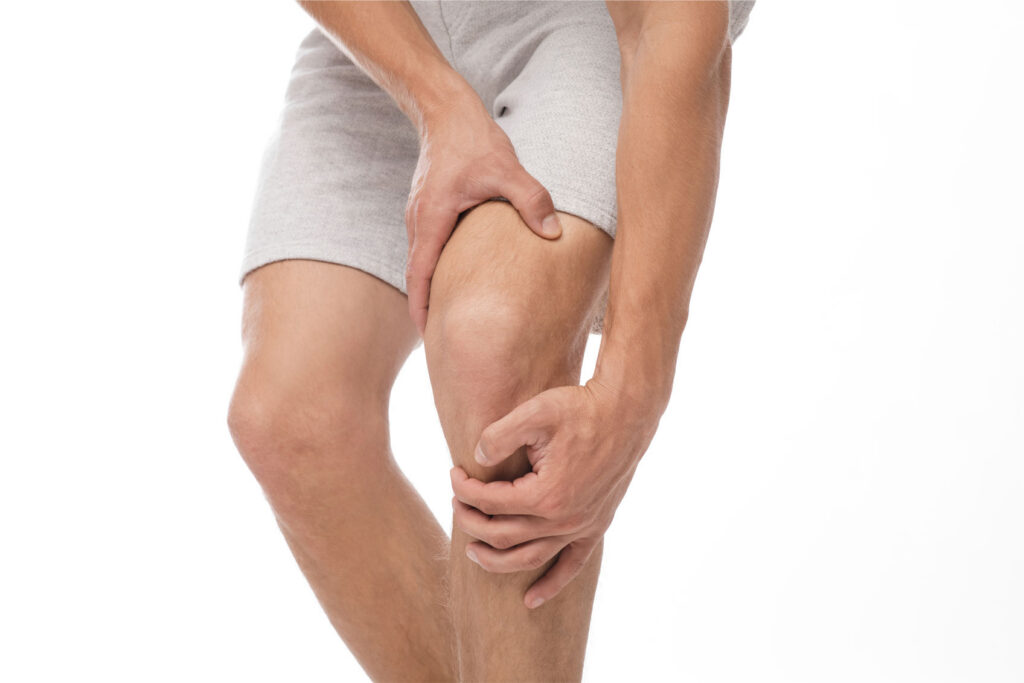
Leg discomfort during exercise is common enough that many people assume it is simply part of being active. In many cases, that assumption is correct. But there is a meaningful difference between the kind of leg discomfort that comes from a hard workout and the kind that signals a circulation problem, and knowing the difference can change the course of a patient’s health significantly. At Advanced Vein and Laser Center, we are asked regularly about leg pain that occurs during physical activity, and the answer is almost always the same: the pattern of the pain tells us more than the pain itself.
The first thing to understand is that not all exercise-related leg pain has the same origin, the same timing, or the same significance. Sorting through those differences is the starting point of any useful clinical conversation about what a patient is experiencing.
What Normal Exercise Leg Discomfort Looks Like
Muscle soreness that develops during or after vigorous exercise is a normal physiological response. When muscles are worked harder than usual, microscopic stress in the muscle fibers triggers an inflammatory healing process that results in the familiar soreness felt in the hours and days following a tough workout. This type of discomfort tends to be diffuse, spread across a muscle group rather than localized to one specific area, and it improves with movement after an initial period of stiffness rather than being immediately relieved by rest.
Cramping during exercise, particularly in the calves, is also common and is often related to dehydration, electrolyte imbalances, or insufficient warm-up before high-intensity activity. This type of cramping typically resolves quickly when the activity stops and the affected muscle is stretched. Neither of these presentations, ordinary muscle soreness or exercise-related cramping from dehydration, suggests a vascular problem.
When Leg Pain During Exercise Points to Something Else
The pattern that concerns vascular specialists is different. Claudication is the clinical term for leg pain caused by inadequate blood flow to the muscles during exercise. In arterial claudication, which results from peripheral artery disease narrowing the arteries that supply the legs, blood flow that is sufficient at rest becomes insufficient when the muscles demand more oxygen during activity. The result is a predictable, reproducible aching or cramping that typically affects the calf, thigh, or buttock depending on which artery is involved.
What makes arterial claudication clinically distinctive is its consistency. The pain tends to come on at roughly the same point in a walk or workout, it forces the person to stop, and it resolves relatively quickly, usually within a few minutes of rest when the muscular demand for oxygen drops back to resting levels. That pattern, onset at a consistent distance or effort level followed by relief with rest, is the hallmark of arterial insufficiency and warrants evaluation.
Venous Causes of Exercise-Related Leg Discomfort
Chronic venous disease produces a different pattern of exercise-related discomfort that is worth distinguishing from arterial claudication. Patients with significant venous insufficiency often experience increased heaviness, aching, and swelling in the legs with prolonged activity, particularly with activities that involve sustained standing or walking. Unlike arterial claudication, venous symptoms tend to worsen with continued standing even after exercise stops and improve more slowly, often requiring leg elevation rather than simple rest to provide relief.
This pattern reflects the mechanism: venous insufficiency creates abnormal pressure in the lower legs that worsens when the calf muscle pump cannot adequately compensate. Exercise itself often temporarily improves venous circulation by activating that pump, which is one reason some patients with venous disease feel reasonably comfortable while walking but significantly worse after stopping and standing still.
Red Flags That Deserve Prompt Evaluation
Certain presentations warrant a vascular evaluation without delay. Leg pain that comes on at a predictable and consistent distance during walking, pain significant enough to force you to stop, pain that is accompanied by a pale, cool, or discolored lower leg after exercise, or pain that occurs only in one leg while the other feels normal are all patterns that suggest a circulatory problem rather than a muscular one. At AVLC, evaluation for vascular causes of exercise-related leg pain includes duplex ultrasound to assess venous function and, when arterial disease is suspected, an ankle-brachial index measurement to screen for peripheral artery disease.
The goal is to understand what is actually generating the pain rather than attributing it to fitness level or aging. Many patients who have been managing uncomfortable legs during exercise for years find that the underlying problem was addressable once it was properly identified.
Find Answers at Advanced Vein and Laser Center
Leg pain during exercise deserves attention when the pattern does not fit what normal muscle fatigue looks like. At Advanced Vein and Laser Center in York and Lancaster, our team evaluates exercise-related leg symptoms with the same thoroughness we bring to any vascular concern. If your legs are limiting what you can do physically, and the explanation has never been fully clear, we would welcome the opportunity to help you find one. Schedule a consultation and let us take a closer look.
Frequently Asked Questions
Is it normal for my legs to hurt during exercise?
Mild muscle fatigue and soreness during or after vigorous exercise are normal physiological responses that reflect the muscles working harder than usual. Pain that comes on consistently at the same point in a walk or workout, forces you to stop, and resolves quickly with rest is a different pattern and warrants a vascular evaluation.
What is claudication and how do I know if I have it?
Claudication is leg pain caused by inadequate blood flow to the muscles during activity, most commonly associated with peripheral artery disease narrowing the arteries that supply the legs. The distinguishing feature is reproducibility: the pain tends to come on at a consistent effort level or walking distance and relieves relatively quickly once activity stops and the muscles’ demand for oxygen returns to resting levels.
Can varicose veins cause leg pain during exercise?
Chronic venous insufficiency can cause heaviness, aching, and increased swelling during prolonged walking or standing that worsens with sustained activity and improves with leg elevation rather than simple rest. This venous pattern is different from arterial claudication and reflects abnormal venous pressure in the lower legs rather than inadequate arterial blood flow.
When should I see a vascular specialist about exercise leg pain?
You should seek evaluation if leg pain during exercise comes on consistently at the same walking distance or effort level, forces you to stop, occurs in only one leg, or is accompanied by skin color changes, coolness, or significant swelling in the affected leg. These patterns suggest a circulatory problem that should be assessed rather than managed as routine exercise discomfort.
What tests diagnose vascular causes of exercise leg pain?
A duplex ultrasound evaluates venous function and identifies venous insufficiency or obstruction, while an ankle-brachial index measures the ratio of blood pressure at the ankle to blood pressure at the arm to screen for peripheral artery disease. Together these two studies provide a clear picture of both the arterial and venous contribution to exercise-related leg symptoms.