Many people are surprised to learn how directly body weight affects the health of their veins. Carrying excess weight increases the pressure inside leg veins, strains the valves responsible for keeping blood moving in the right direction, and accelerates the progression of venous insufficiency in people who are already at risk. At AVLC in York and Lancaster, the clinical team understands that vein health and overall wellness are deeply connected, which is why patients have access to both expert vein care and personalized weight management support under one roof. If you have been managing vein symptoms while also navigating weight concerns, a consultation with the AVLC team is a meaningful first step toward addressing both.
The relationship between weight and vein health is one of the most frequently overlooked aspects of venous disease. Most people associate varicose veins with genetics, pregnancy, or aging, and while those factors all play a role, body weight is one of the most significant and modifiable contributors to how the venous system functions over time.
What Extra Weight Does to Your Veins
The leg veins have a demanding job under any circumstances. They must push blood upward against gravity, relying on valves that open in only one direction to prevent backflow between heartbeats. This system functions well when the body is at a healthy weight, but excess body weight adds a layer of pressure to the entire lower venous system that compounds gradually over time.
The fat that accumulates around the abdomen with weight gain places direct pressure on the veins in the pelvis, which restricts the return of blood from the legs toward the heart. As a result, the leg veins must work harder to overcome that resistance. Over time, that added strain weakens the vein walls and the valves within them. When valves begin to malfunction, blood pools in the lower legs rather than continuing its journey upward, and that pooling is what produces the symptoms most people recognize: heaviness, aching, swelling, and the visible appearance of varicose veins.
Why Venous Insufficiency Progresses Faster With Excess Weight
Venous insufficiency is not a condition that stays the same. It is progressive, meaning that without intervention it tends to worsen over time, and excess body weight accelerates that progression by maintaining the elevated pressure that drives valve damage in the first place.
Beyond the mechanical pressure, chronic inflammation associated with excess weight also affects vein wall integrity. Inflammation weakens the connective tissue that gives veins their structure, making them more susceptible to the kind of dilation and stretching that leads to varicose veins. This is why patients who are overweight often report that their vein symptoms developed earlier in life or progressed more quickly than they expected, even when family history seemed to suggest otherwise.
What Losing Weight Actually Does for Your Veins
This is one of the questions the team hears most often from patients who are managing both weight concerns and vein symptoms: will losing weight make the varicose veins go away?
The honest answer is that weight loss significantly reduces pressure on the venous system and can improve symptoms considerably, but it will not reverse damage that has already occurred. Valves that have been weakened by years of elevated pressure cannot repair themselves through weight loss alone. What weight loss does accomplish is still meaningful. It reduces the strain on remaining healthy valves, slows the progression of the disease, alleviates symptoms like swelling and leg heaviness, and creates a better foundation for treatment outcomes. Research suggests that even modest weight loss of five to ten percent of body weight produces noticeable improvements in venous circulation for many patients.
When Varicose Veins Appear More Visible After Weight Loss
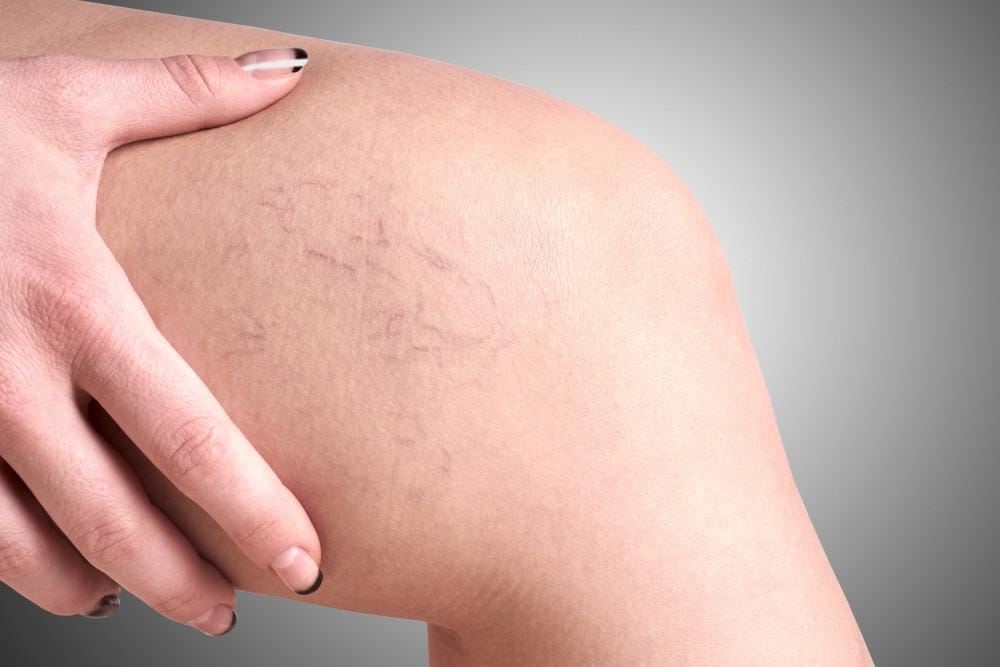
One detail that surprises many patients is that varicose veins can appear more visible immediately after losing weight, even though vascular health is genuinely improving. The reduction in body fat means there is less tissue between the skin and the vein surface, so veins that were previously hidden become easier to see. This can feel discouraging, but it does not indicate that the situation has worsened. It is a cosmetic effect of fat reduction, and it is precisely why many patients choose to address vein symptoms with treatment after reaching a more stable weight.
Addressing Both Together: Why It Matters
Treating varicose veins while managing weight concerns separately is a common approach, but it is not always the most effective one. When venous insufficiency is left untreated while a patient works on weight management, the condition can continue to progress even as real progress is being made on other health goals. Addressing vein symptoms and supporting sustainable weight management together creates compounding benefits. Better circulation supports more comfortable physical activity, which in turn supports continued weight management and overall wellbeing.
At AVLC, patients benefit from access to both expert vein care and the Weight Loss Plus+ program through Just Show Up Wellness. Led by Amanda Shaffer, MSN, FNP-BC, the program provides personalized nutrition strategies, lifestyle coaching, and medical support designed to help patients manage weight sustainably while supporting vascular health. Having both areas of care available in one place removes a significant barrier for patients who have been putting off either conversation.
When to Take Both Concerns Seriously
Many patients spend years managing vein symptoms and weight concerns separately, treating them as unrelated problems with unrelated solutions. Understanding that these two things are genuinely connected, and that improving one supports improvement in the other, can change how a patient approaches their care entirely.
For patients experiencing leg heaviness, persistent swelling, visible varicose veins, or skin changes around the lower leg, a vein evaluation is appropriate regardless of current weight. Treatment outcomes are positive across a range of body sizes, and the team at AVLC works with each patient individually to develop a plan that fits their specific situation and goals.
Comprehensive Vein and Wellness Care at AVLC
The veins and the rest of the body are not separate systems, and effective care should not treat them that way. At AVLC in York and Lancaster, patients receive the kind of thorough and personalized attention that considers the whole picture, from the state of the venous system to the lifestyle factors that influence it over time. Whether the goal is to reduce vein symptoms, address underlying venous insufficiency, or build a foundation for lasting vascular health, the team at AVLC brings the expertise and the compassion to make that journey possible. Scheduling a consultation is the most practical first step toward getting there.
Frequently Asked Questions
Does being overweight cause varicose veins? Excess weight increases pressure on the leg veins and strains the valves that keep blood flowing toward the heart, which significantly raises the risk of developing venous insufficiency and varicose veins over time. While genetics, age, and pregnancy also contribute, body weight is one of the most modifiable risk factors for venous disease.
Will varicose veins go away if I lose weight? Weight loss reduces pressure on the venous system and can improve symptoms like swelling, heaviness, and discomfort, but it will not reverse vein damage that has already occurred. Varicose veins that have formed due to valve failure require medical treatment to be fully addressed, though weight loss creates a better foundation for treatment outcomes.
How much weight do I need to lose to see improvement in my vein symptoms? Research suggests that even modest weight loss of five to ten percent of body weight can produce noticeable improvements in venous circulation and symptom relief. The benefits tend to compound over time, particularly when weight management is paired with appropriate vein care and daily habits that support circulation.
Can I still get vein treatment if I am overweight? Yes, vein treatment is appropriate and effective across a range of body sizes, and the AVLC team evaluates each patient individually to develop a plan suited to their situation. Addressing vein symptoms and supporting weight management together, rather than one after the other, often produces the best outcomes for both.
Why do my varicose veins look worse after losing weight? As body fat decreases, there is less tissue between the skin surface and the underlying veins, which can make veins that were previously hidden appear more prominent. This is a cosmetic effect of fat reduction rather than a sign that vein health has worsened, and it is one reason many patients choose to pursue vein treatment after reaching a more stable weight.