
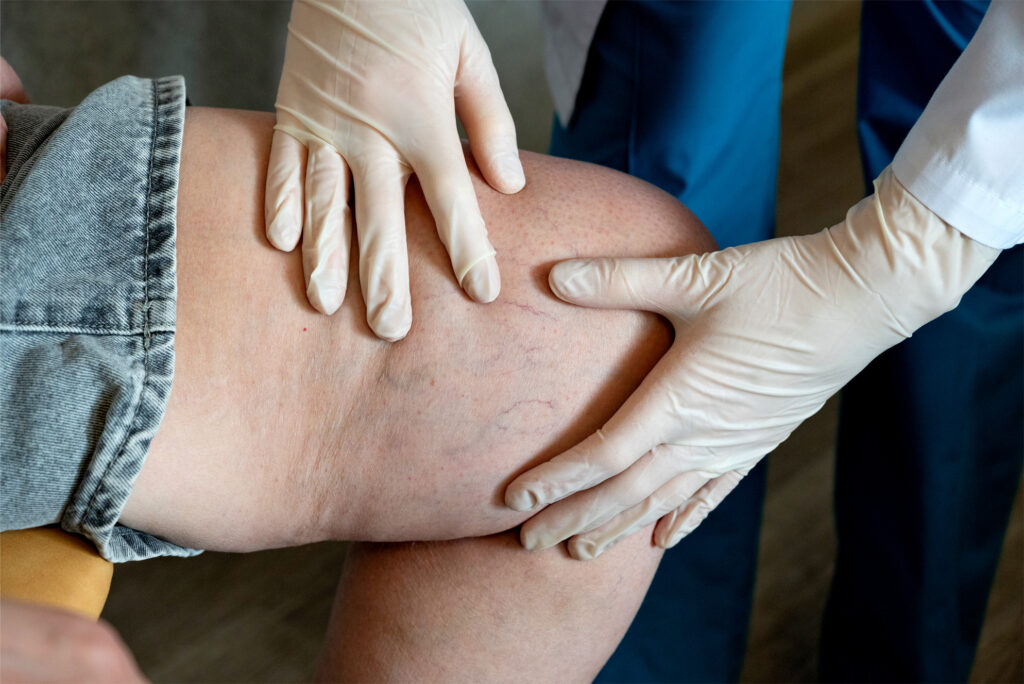
Living with unexplained leg swelling, pain, and bruising can be confusing and exhausting — especially when you’ve been told it’s just weight gain or something you have to accept. At AVLC, we provide expert lipedema diagnosis and treatment, helping patients finally understand what’s happening in their bodies after years of being dismissed or misdiagnosed. With free screenings, minimally invasive options, and individualized care plans, patients can regain control over symptoms that were once misunderstood. If you’ve been struggling with persistent discomfort, we offer a path forward built on listening, expertise, and real solutions.
For many people, lipedema goes undiagnosed for years, not because it is rare, but because it is frequently misunderstood — even within medical settings. The condition is often mistaken for obesity, lymphatic issues, or simple fluid retention, leaving patients without answers or appropriate care. Our focus is on recognizing the real signs of lipedema early and providing a clear path forward. When patients finally receive a proper diagnosis, it is often a turning point that replaces frustration with clarity and hope.
Lipedema is a chronic condition that primarily affects the distribution of fat in the legs and sometimes the arms, leading to disproportionate swelling, pain, and sensitivity. It does not respond to traditional diet and exercise in the same way as typical weight gain, which is one of the key reasons it is so often overlooked. Understanding this distinction is critical for early identification and effective care.
Why Lipedema Is Frequently Misdiagnosed
One of the biggest challenges with lipedema is that its symptoms can resemble other, more common conditions. Because of this overlap, many patients spend years trying different approaches without success.
Common reasons for misdiagnosis include:
- Confusion with general weight gain: Lipedema fat is often mistaken for obesity, despite its distinct pattern and behavior
- Lack of awareness among providers: Many clinicians are not trained to recognize early-stage lipedema
- Overlapping symptoms with lymphatic disorders: Swelling can resemble lymphedema or fluid retention conditions
- Normal lab results: Standard blood tests often appear normal, leading patients to be dismissed
- Gradual progression: Symptoms develop slowly, making changes harder to identify early
This combination of factors means patients are frequently told their symptoms are not medically significant, even when discomfort and physical changes are very real.
Recognizing the Signs of Lipedema
Understanding the key symptoms can help bring clarity to years of uncertainty. Lipedema often presents with a distinct set of characteristics, including:
- Symmetrical swelling in the legs or arms
- Pain and tenderness when pressure is applied
- Easy bruising without a clear cause
- Fatty nodules under the skin
- Changes in skin texture
- Disproportionate fat deposits that do not respond to diet or exercise
These symptoms can progress over time, leading to increased discomfort and mobility challenges if left unaddressed. Early recognition and intervention are essential for managing progression and improving quality of life.
Diagnosis, Dignity, and a Way Forward at AVLC
Our patients are met with understanding, not dismissal. The diagnostic process begins with a comprehensive consultation with Dr. Heird, who brings years of medical expertise to identifying lipedema and distinguishing it from similar conditions. This step is often the first time patients feel truly heard and validated in their experience.
Once diagnosed, a personalized care plan is created based on symptom severity, overall health, and lifestyle needs. This plan may include:
- Compression therapy to help manage swelling and discomfort
- Lifestyle adjustments that support lymphatic and circulatory health
- Additional supportive treatments recommended by the provider
- Ongoing monitoring to adjust care as symptoms evolve
Each plan is designed to address both physical symptoms and quality of life, helping patients move toward greater comfort and confidence.
What Progress Can Look Like Over Time
While lipedema cannot always be reversed completely, meaningful improvement is possible with consistent, tailored care. Patients who follow their treatment plan often experience:
- Reduced discomfort and tenderness in affected areas
- Improved mobility and ease of movement
- Decreased progression of fatty tissue buildup
- Greater confidence in physical appearance and daily function
Our the goal is not just symptom management, but helping patients regain a sense of control over their health and well-being.
Why Early Recognition Matters
Because lipedema is progressive, early identification can make a significant difference in long-term outcomes. When addressed sooner, patients are more likely to maintain mobility, reduce discomfort, and slow the advancement of symptoms. Delayed diagnosis, on the other hand, can lead to increased tissue changes and more complex management needs later in life.
This is why awareness and proper evaluation are so important — especially for individuals who have spent years without clear answers.
Our Commitment to Advanced, Compassionate Care
Choosing where to seek care matters, especially for conditions that are often misunderstood. AVLC is an IAC-accredited practice committed to providing advanced, minimally invasive care guided by medical expertise. Compared to other providers, the approach here emphasizes:
- Minimally invasive treatments focused on comfort and recovery
- Thorough, expert-led diagnosis rather than surface-level assessments
- Comprehensive wellness support beyond symptom management
- Individualized treatment plans tailored to each patient’s needs
This combination of clinical precision and compassionate care helps ensure patients are supported at every stage of their journey.
Regain Control From Lipedema at AVLC
If you’ve been living with unexplained swelling, pain, or changes in your legs that haven’t responded to diet or exercise, it may be time to explore a deeper explanation. AVLC offers free screenings and expert lipedema diagnosis and treatment, helping patients finally understand what has been happening and what can be done about it. With minimally invasive care options and personalized treatment plans led by Dr. Heird, patients can begin moving toward comfort, clarity, and improved quality of life. Schedule your screening today and take the first step toward finally being heard and supported.
Frequently Asked Questions
Why is lipedema so often misdiagnosed?
Lipedema is frequently mistaken for obesity or other swelling disorders because its symptoms overlap with more common conditions. Many healthcare providers also lack specialized training to recognize it early.
Can lipedema go away with diet and exercise?
Lipedema fat does not respond in the same way as typical weight gain, so diet and exercise alone usually do not eliminate it. However, healthy habits can still support overall symptom management.
Is lipedema painful?
Yes — many patients experience tenderness, aching, and sensitivity in affected areas. Pain levels can increase as the condition progresses if left untreated.
How is lipedema diagnosed?
Diagnosis begins with a detailed consultation and physical evaluation by Dr. Heird, who assesses symptoms, medical history, and physical presentation to confirm lipedema.
Can treatment improve lipedema symptoms?
While there is no cure, personalized treatment plans can significantly reduce discomfort, improve mobility, and slow progression of symptoms over time.